目录
一、一坐下来,剧场就开演了
Peterson 要证明"你并不控制自己的心智",挑了一个所有学生都躲不掉的例子。
Your attention, for example, is mediated by unconscious forces. And you know that. You know that perfectly well.
举个例子,你的注意力是由无意识的力量调节的。这一点你知道。你心里门儿清。
他连说两遍 you know that——这不是需要被说服的理论,是你每天都在亲身经历的事。
If you're sitting down to study, for example, your conscious intent is to study. But you know perfectly well that all sorts of distraction fantasies are going to enter the theater of your imagination, non-stop and annoyingly. And there isn't really a lot you can do about that, except maybe wait it out.
比如你坐下来学习,你有意识的意图是学习。但你非常清楚,各种各样的走神幻想会不停地、烦人地涌进你想象力的剧场。而对此你几乎无能为力——除了等它自己过去。
两个词值得停一下。
第一个是 theater of your imagination(想象力的剧场)。剧场这个比喻的重点在于:你坐在观众席上。演什么不归你定,你只能看着。
第二个是 wait it out(等它过去)。这是他给出的唯一处置办法。不是"克服",不是"专注技巧",是等。
然后他念了一遍走神清单:
- 想去 Netflix 上看《Jane the Virgin》
- 该做个花生酱三明治了
- 床底下那团灰该清一清了
- 该出去抽根烟了
- 或者也许该喝杯咖啡了
注意打扫床底这一项。那是一件你平时半年都想不起来的家务,偏偏在你打开课本的第十分钟变得刻不容缓。
All these subsystems in you that would like something aren't very happy just to sit there while you read this thing that you're actually bored by. And so they pop up and try to take control of your perceptions and your actions, non-stop.
你体内所有这些"想要点什么"的子系统,并不乐意就这么干坐着,陪你读一个你其实觉得无聊的东西。于是它们不停地冒出来,试图接管你的知觉和你的行动。
他用的动词是 take control(接管),不是 distract(干扰)。区别在于:干扰是从外面拉你,接管是从里面换人。那个突然觉得床底很脏的,不是"你分心了",是你身体里另一个东西短暂地拿到了方向盘。
接着他演示了逃避的升级路径:
Maybe you think, "Well, this is a stupid course anyways. Why do I have to read this damn paper? And what am I doing in university? And what's the point of life?" You can really get going if you're trying to avoid doing your homework.
也许你会想:"这门课本来就很蠢。我干嘛非得读这篇破论文?我在大学里到底在干什么?人生到底有什么意义?"——你要是想逃作业,是真能一路开下去的。
从"这篇论文很烦"到"人生有什么意义",中间只隔了三句话。逃避会自己给自己找越来越大的理由,最后大到看起来像哲学思考。
二、「因为你一团糟」
And then you might think, well, what is it in you that's trying to avoid? Because after all, you took the damn course, and you told yourself to sit down. Why don't you listen?
然后你可能会想:那到底是你身体里的什么东西在逃避?毕竟课是你自己选的,是你自己叫自己坐下的。你为什么不听自己的?
这个问题问得很狠:下命令的是你,不听命令的也是你。
答案他给得更狠。说这句话的时候,他正走到讲台边上,伸手去摆弄那台不太听话的笔记本电脑:
Well, because you're a mess. That's basically why. You haven't got control over yourself at all — no more than I have control over this laptop.
嗯,因为你一团糟。基本上就是这个原因。你对自己完全没有控制权——不比我对这台笔记本电脑的控制权更多。
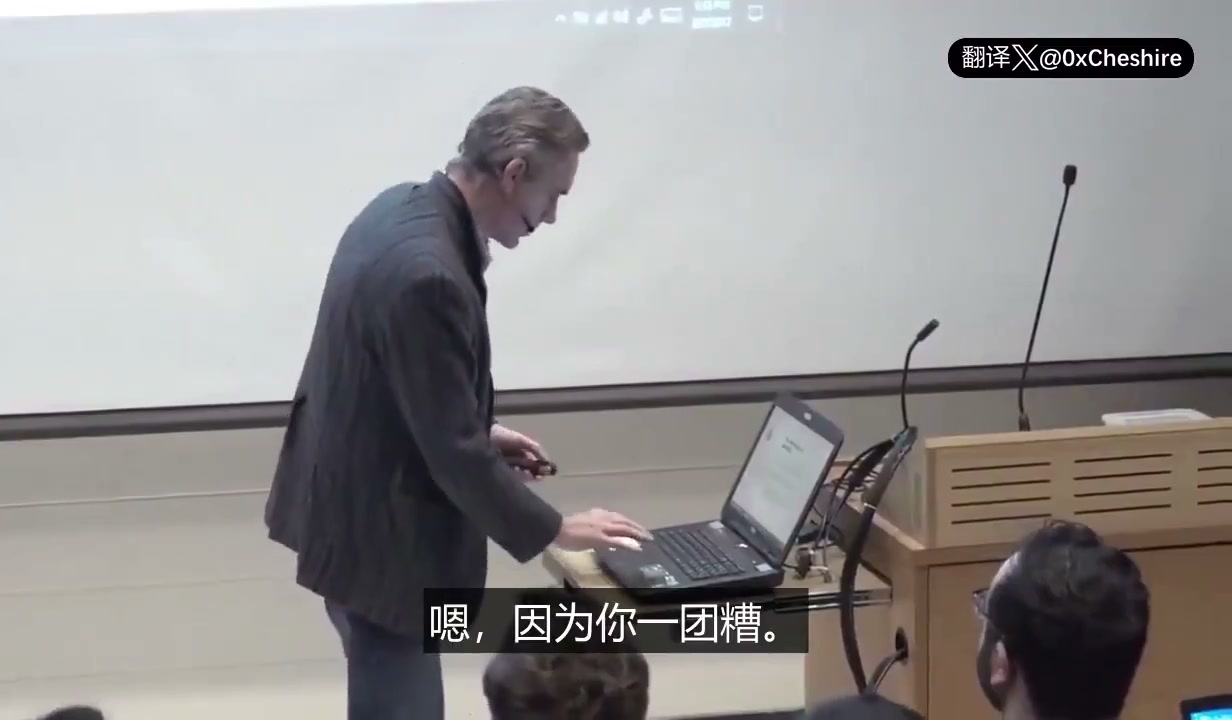
这个类比精准得有点残忍:你对自己的控制方式,和你对一台电脑的控制方式是同一种——下指令,然后祈祷它执行。
三、坏习惯是焊在神经里的小机器
他把话题切到无意识的功能分类。课件上列的第一种是记忆,第二种他觉得更有意思:
There's the memory function of the unconscious, and there's the dissolutive function. That's an interesting one. "The unconscious contains habits once voluntary, now automatized, and dissociated elements of the personality which may lead a parasitic existence."
无意识有记忆功能,还有解离功能(dissolutive),这个很有意思——"无意识包含曾经自愿、现已自动化的习惯,以及人格中解离出去的元素,它们可能过着一种寄生性的存在。"
引号里那句是他照着幻灯片念的。他自己的翻译更直接:这更接近程序性记忆(procedural memory)。
然后是口头禅的例子:
Maybe when you're speaking, for example, you use "like" and "you know," and you say "um" a lot. And you've practiced that, so you're really good at it. And you'd like to stop it, but you don't get to — because you built that little machine right into your being. It's neurologically wired, and it's not under conscious control.
比如你说话的时候老是 like、you know,还有一大堆 um。你练过这个,所以你很擅长。你想停,但你停不下来——因为你已经把那台小机器直接造进了你的存在里。它是在神经层面接好线的,不受意识控制。
"你练过这个,所以你很擅长"——这句话的杀伤力在于,它把一个你讨厌的毛病,重新描述成了一项你辛苦练成的技能。
接下来是整段五分钟里最该抄下来的一句:
Anything you practice becomes that. It becomes part of you.
你练什么,就会变成什么。它会变成你的一部分。
这句话不区分好坏。你练专注,专注长进你;你练逃避,逃避也长进你。第一节里那个"打开书十分钟就想去擦床底"的动作,如果你重复了三年,它现在同样是一台焊好线的小机器。
| 功能 | 幻灯片上的说法 | 在生活里长什么样 |
|---|---|---|
| 记忆 Conservative | 无意识替你存着过去 | 你想不起来的东西照样在起作用 |
| 解离 Dissolutive | 曾经自愿、现已自动化的习惯,以及人格中解离出去、可能"寄生"的元素 | 口头禅、坏习惯、一学习就想打扫房间 |
| 创造 Creative | 无意识产出你的意识造不出来的东西 | 灵感、艺术、梦 |
这三种是这段精剪里出现的。课件上其实列了四种(第四种是 Mythopoetic,神话诗性),完整的出处和展开在48 分钟完整版里。
四、你怎么可能是自己梦里的观察者
And then there's a creative part, which is that you're sitting around and maybe you're trying to write something, or maybe you want to produce a piece of art or a piece of music, or maybe you're just laying in bed dreaming. You have all these weird ideas, especially in dreams. It's like — where do those things come from?
然后还有创造的部分——你坐在那儿,也许在试着写点东西,或者想做一件艺术品、一段音乐,又或者你只是躺在床上做梦。你会冒出各种奇怪的念头,尤其是在梦里。这些东西到底是从哪儿来的?
接着是这段里最漂亮的一个悖论:
One of the things that's really weird about dreams — and almost impossibly weird — is that you're an observer in the dream. It's like a dream is something that happens to you. Well, you're dreaming it, theoretically. So how is it that you can be an observer?
关于梦有一件事非常怪——怪得几乎不可能——那就是你在梦里是个观察者。梦像是一件"发生在你身上"的事。可理论上明明是你在做这个梦。那你怎么可能是观察者呢?
It's almost like you're watching a video game or a movie, but you're producing it — at least in principle.
这几乎就像你在看一个电子游戏或者一部电影,但同时你又是它的制作方——至少原则上是。
"至少原则上是"这个补丁很关键。因为精神分析给出的回答恰恰是:原则不成立。
五、那不是你想的那个"你"
The psychoanalyst would say, "Well, no, not exactly. Your ego isn't producing it. Your unconscious is producing it." It's a different thing. It's a different thing.
精神分析师会说:"不,不完全是。产出梦的不是你的自我(ego),是你的无意识。"那是另一个东西。那是另一个东西。
It's a different thing 他说了两遍。这是强调,不是口误。
And of course Jung would say, "Well, it's deeper than that. The collective unconscious might be producing it." In some sense it isn't you exactly — or it isn't the you that you think of when you think of you.
荣格当然会说:"比那还要深。产出它的可能是集体无意识。"从某种意义上说,那不完全是你——或者说,那不是你想到"你"的时候想到的那个你。
最后半句值得单独拎出来:it isn't the you that you think of when you think of you。你有一个"自己以为的自己",和一个"实际在运行的自己",两者并不重叠。
That's the ego, from the Freudian perspective — the you that you identify with, that's the ego. And outside of that is the unconscious, the id. That's more the place of impulses.
从弗洛伊德的角度,那个"你认同的你"就是自我(ego)。在它之外的是无意识,是本我(id)——那更像是冲动待的地方。
六、从哺乳类一路退到甲壳类
You could think about those as the biological subsystems that can derail your thinking, and that govern things like hunger and sex and aggression. Your basic instincts is another way of putting it.
你可以把它们理解成那些能让你的思考出轨的生物学子系统,它们管着饥饿、性、攻击性这些事。换个说法,就是你的基本本能。
然后他把这些子系统的年龄摊开来给你看:
These are subsystems that you share with animals. You share them certainly with mammals. You share most of them with reptiles. You share a lot of them with amphibians — even going all the way down to crustaceans, there's commonality, for example, in the dominance hierarchy circuits. These are very, very old things.
这些子系统是你和动物共享的。和哺乳动物肯定共享。大部分和爬行动物共享。很多和两栖动物共享——甚至一路下探到甲壳类都还有共通之处,比如支配等级回路(dominance hierarchy circuits)。这些是非常非常古老的东西。
这堂课录于 2017 年 2 月。一年后,这段"支配等级一路追到甲壳类"的讲法被写进了《12 Rules for Life》的第一章——就是后来人人都在转的那只龙虾。
七、整合,决定控制权的分配比例
The idea that you're in control of them is — well, you're not exactly in control of them. And I would say: the less integrated you are, the less you're in control of them, and the more they're in control of you.
说你能控制它们——嗯,你并不真的控制它们。我会说:你越不整合,你越控制不了它们,它们就越控制你。
这句话把"自控力"从一个道德问题换成了一个结构问题。
它没有说"你要更努力"。它说的是:你和这些古老回路之间的控制权,按一个比例分配,而这个比例的名字叫整合(integration)。
整合的反面不是懒,是分裂——你身体里有好几个部分想要不同的东西,谁也不服谁,谁都能在某个时刻把方向盘抢过去。
八、同一台机器的不同档位
That can get really out of hand.
这事可以彻底失控。
失控的极端版本,他举了两个临床例子。
强迫症
Poor people with obsessive compulsive disorder — they can spend half their time doing things that they can't really control. And they have very strong impulses to do them, and it's very hard on them to block them. They'll almost panic if those things are blocked.
可怜的强迫症患者——他们可能把一半的时间花在自己根本控制不了的行为上。他们有极强的冲动去做这些事,要阻止自己非常痛苦。如果那些行为被阻断,他们几乎会陷入恐慌。
他顺手把强迫症归回了前面那张表:在他看来这就是解离功能的极端形态——同一套"练成即自动"的机制,只是刹车彻底失灵了。
妥瑞氏综合征
Then you have people with Tourette's syndrome. They'll be doing all sorts of weird dances and spouting off obscenities and imitating people without being able to control it. Sometimes a little bit of anti-psychotic medication can dampen that down. But it's as if there are these autonomous semi-spirits inside of them that grip control over their behavior and make them do things.
还有妥瑞氏综合征患者。他们会做出各种奇怪的舞蹈动作、脱口而出脏话、模仿别人,而且控制不住。有时候少量抗精神病药物能压下去一些。但那感觉就像他们体内有一些自主的半灵体,攥住了他们行为的控制权,驱使他们去做事。
autonomous semi-spirits(自主的半灵体)——这是他描述这类子系统时最不加掩饰的一次用词。它们不是"倾向",不是"惯性",是有自己意图的东西。
然后镜头转回你身上
You find that to some degree in your own life, because maybe you've become very attracted to someone — even maybe you don't want to be attracted to the person. Then you find yourself texting them when you know perfectly well that you should be going to bed. You're in a grip of something and you can't control it.
你在自己的生活里也能找到这个东西的一部分。比如你可能被某个人深深吸引——甚至你并不想被这个人吸引。然后你发现自己在给对方发消息,尽管你心里门儿清你该去睡觉了。你被某个东西攥住了,你控制不了。
That's all part of the unconscious, and all part of what Freud was studying.
这全都是无意识的一部分,也全都是弗洛伊德在研究的东西。
一句话总结
这五分钟的结构是一个闭环:开头是"你坐下来学不进去",结尾是"你凌晨还在给那个人发消息"。中间隔着强迫症、妥瑞氏,和一路追溯到甲壳类的支配等级回路。
Peterson 从头到尾在讲的是同一件事:这些不是四种毛病,是同一台机器的不同档位。
那台机器由一群比你老得多的子系统组成,它们各有各的想法,谁也没打算征求你的同意。你能改的不是它们存不存在——是你和它们之间控制权的分配比例。那个比例的名字叫整合。
所以下次你打开书十分钟就想去擦床底,可以少一点自我谴责:你不是意志力不够,你是一个联盟,暂时没谈拢。
想看完整的那一堂课?
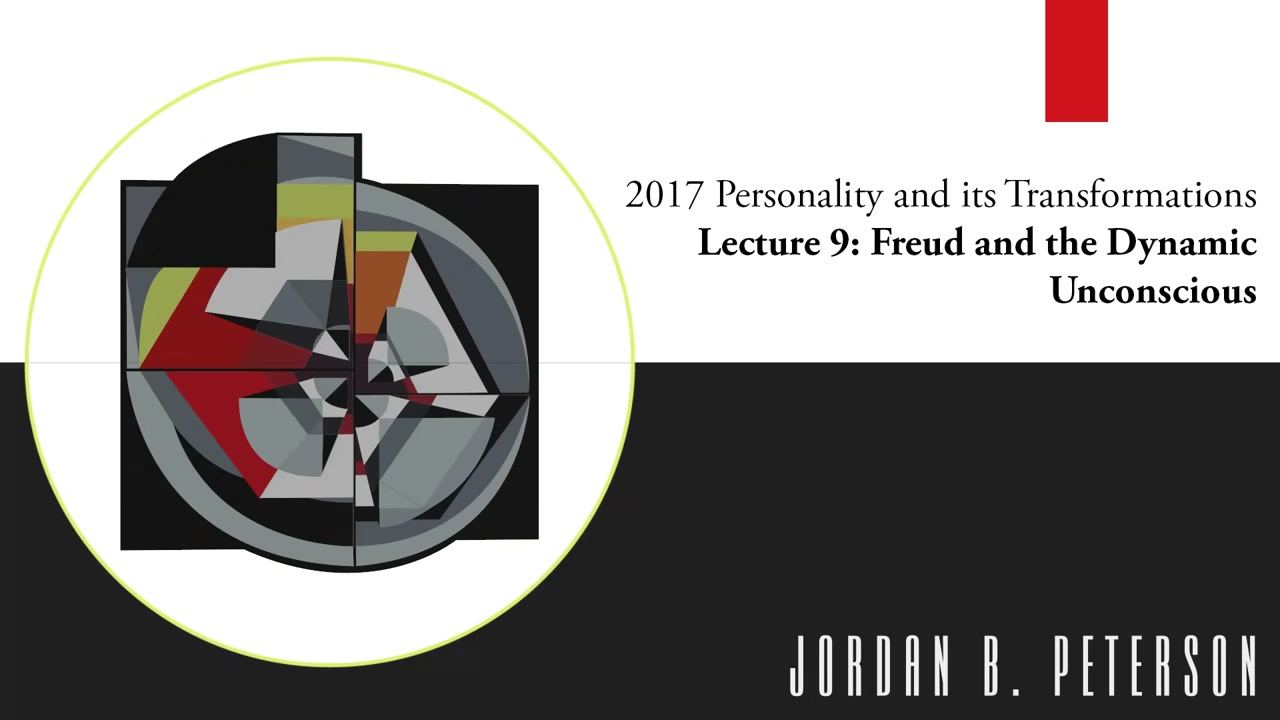
这段精剪剪自 48 分钟的完整课堂。整堂课还讲了:弗洛伊德为什么是个"只剩下错误"的思想家、子人格为什么是活的、避孕药如何改写了性的风险结构、本我自我超我和皮亚杰的关系、九种自我欺骗的防御机制、情结如何变成身体症状、以及为什么笑话和梦是同一个入口。
🎬 5 分钟精剪:@huxlab 转发 · 中文字幕翻译 @0xCheshire
📺 原始视频:2017 Personality 09: Freud and the Dynamic Unconscious(Jordan B Peterson · 2017-02-07 · 48:22)
📝 本文基于精剪片段的英文转写整理,英文引文按口语转写还原标点,中文为编译;保留讲述顺序与口语风格
🖼 配图为精剪版视频帧,中文字幕由 @0xCheshire 制作